


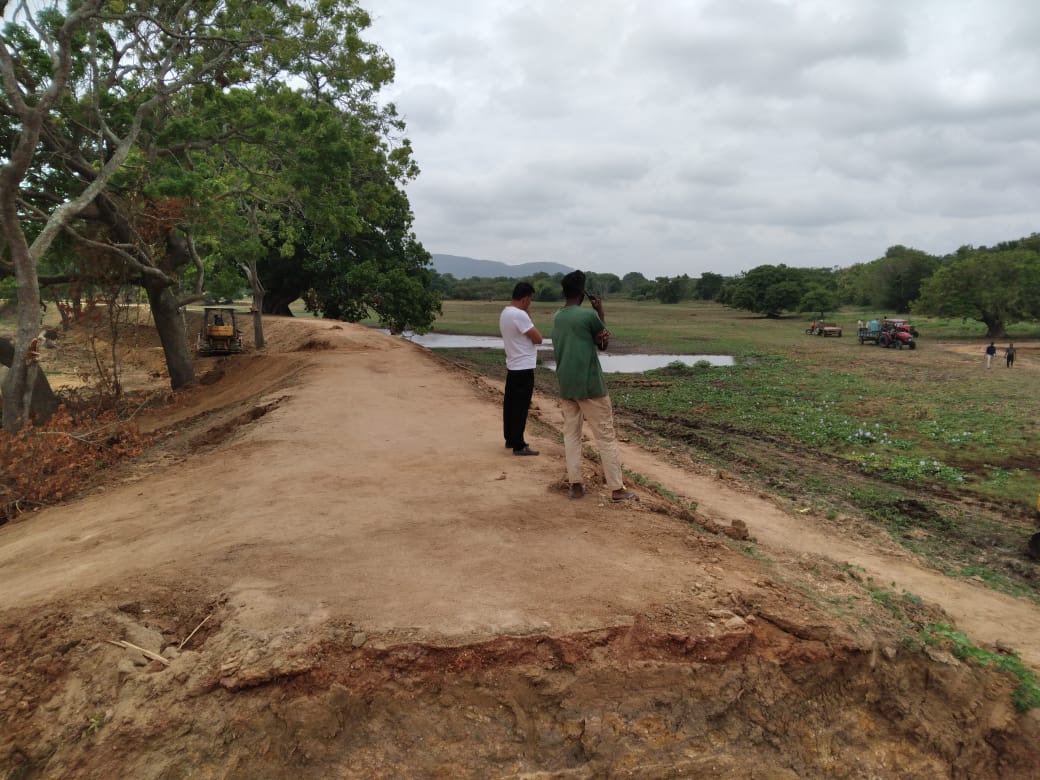
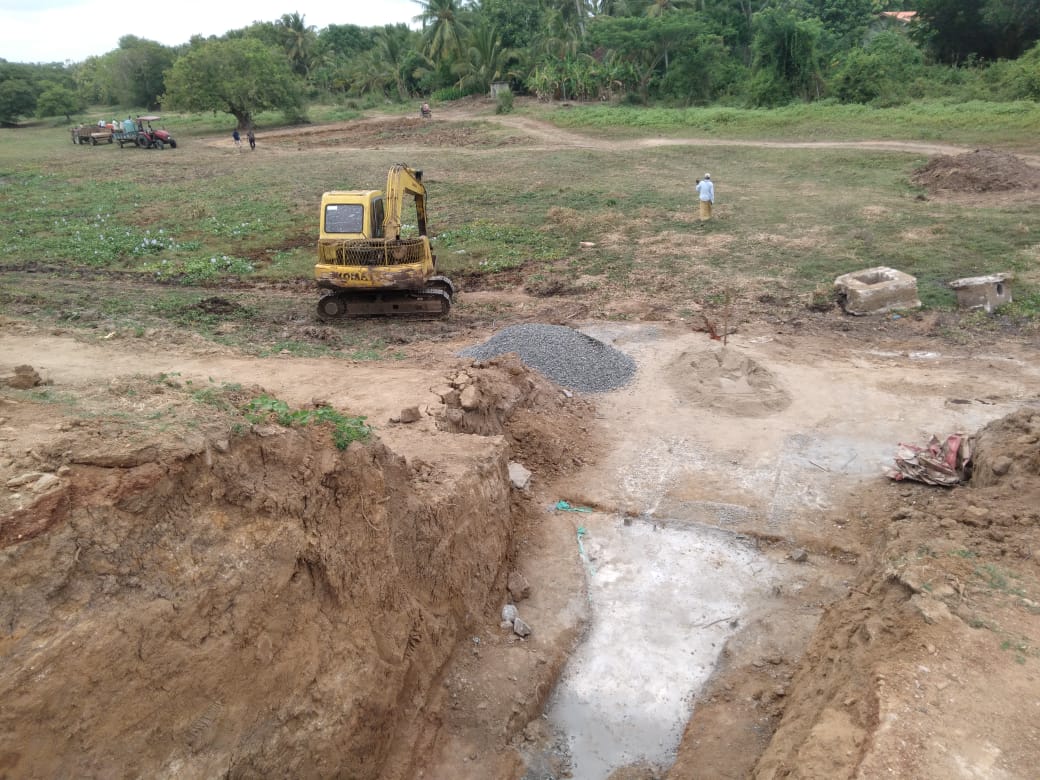
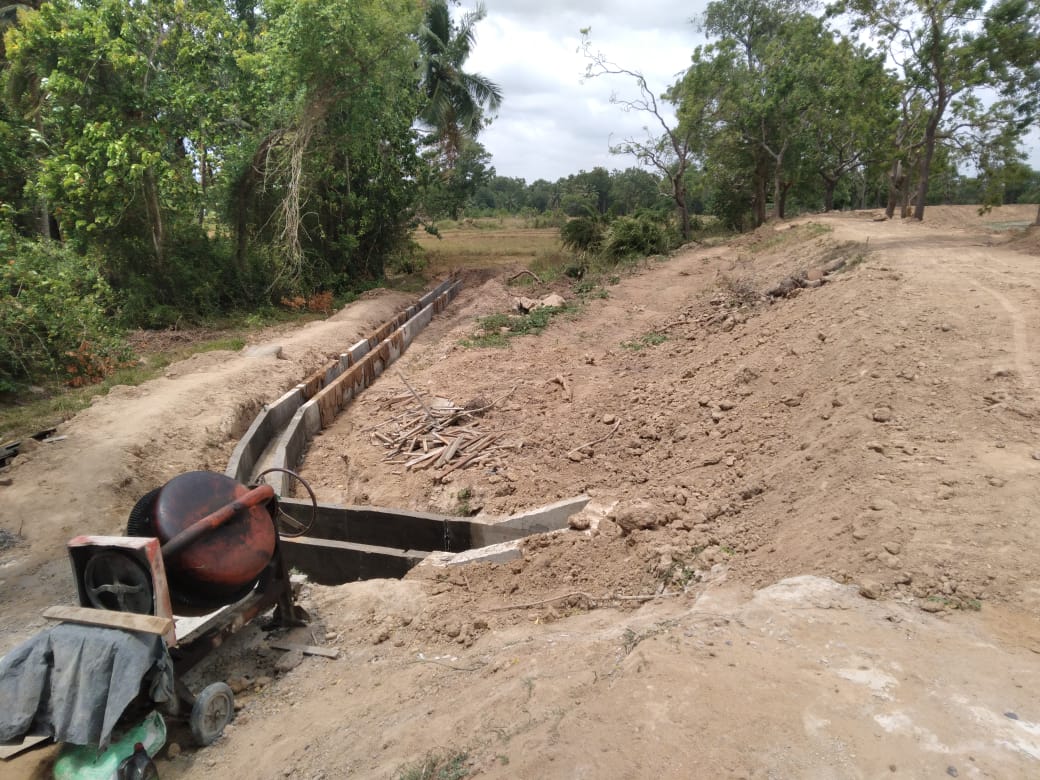
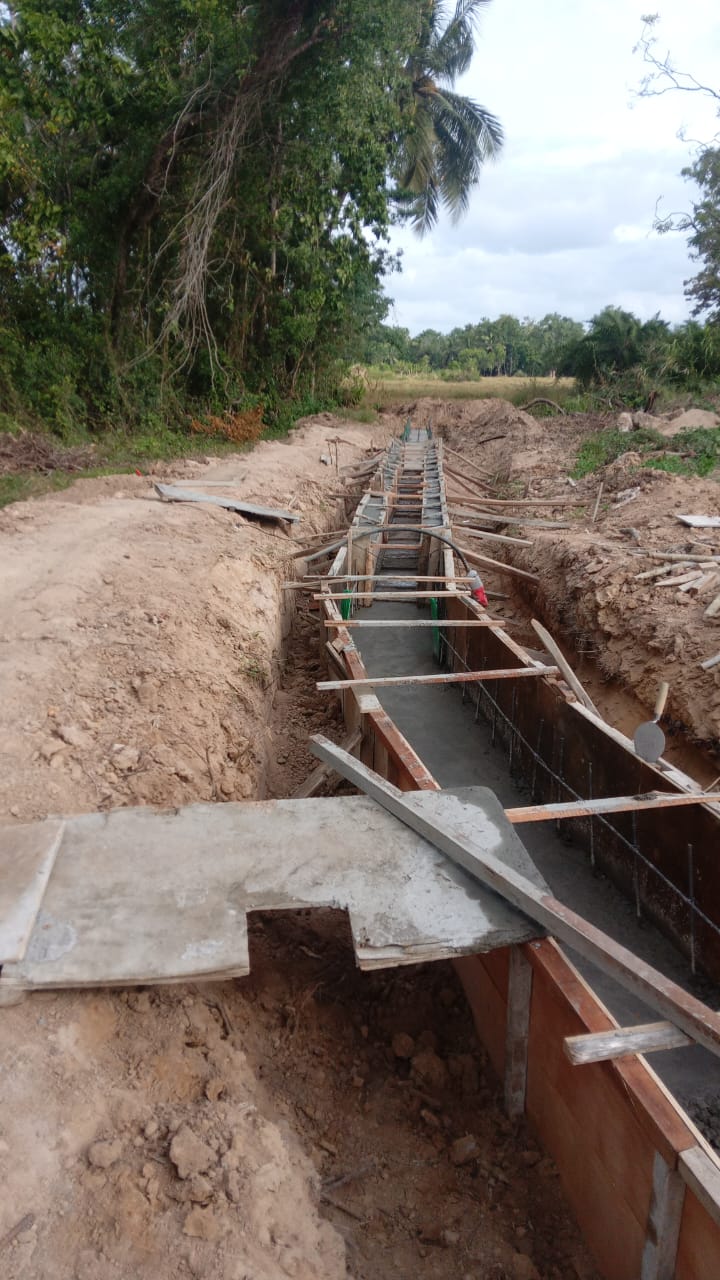
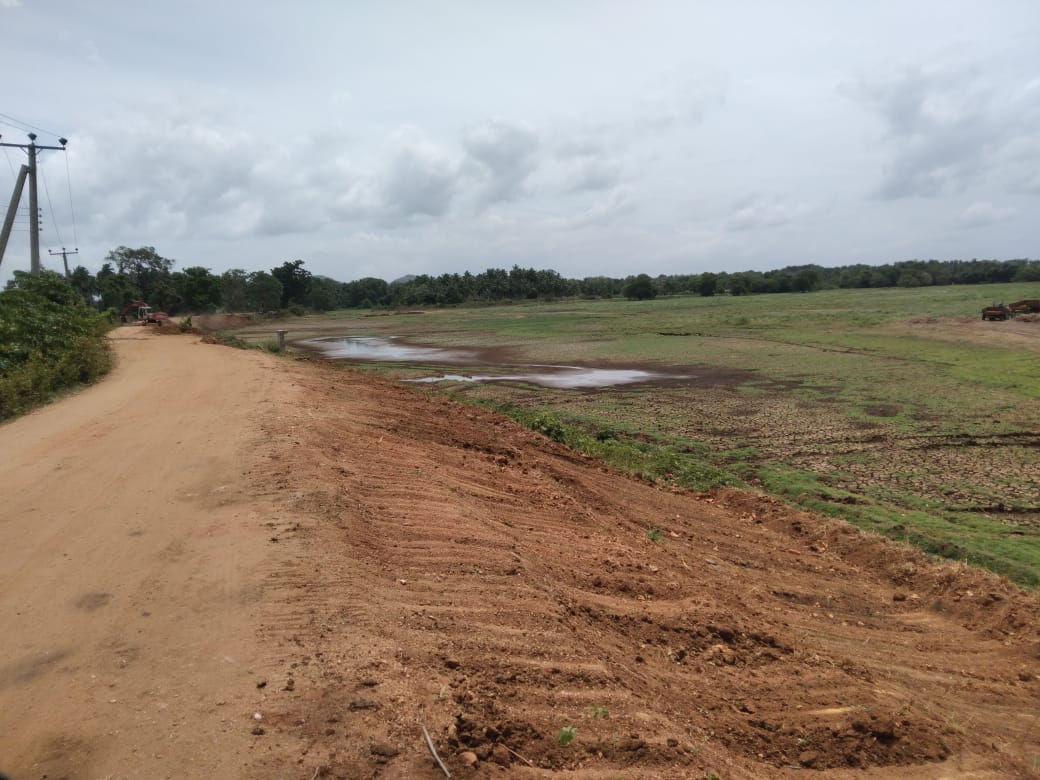
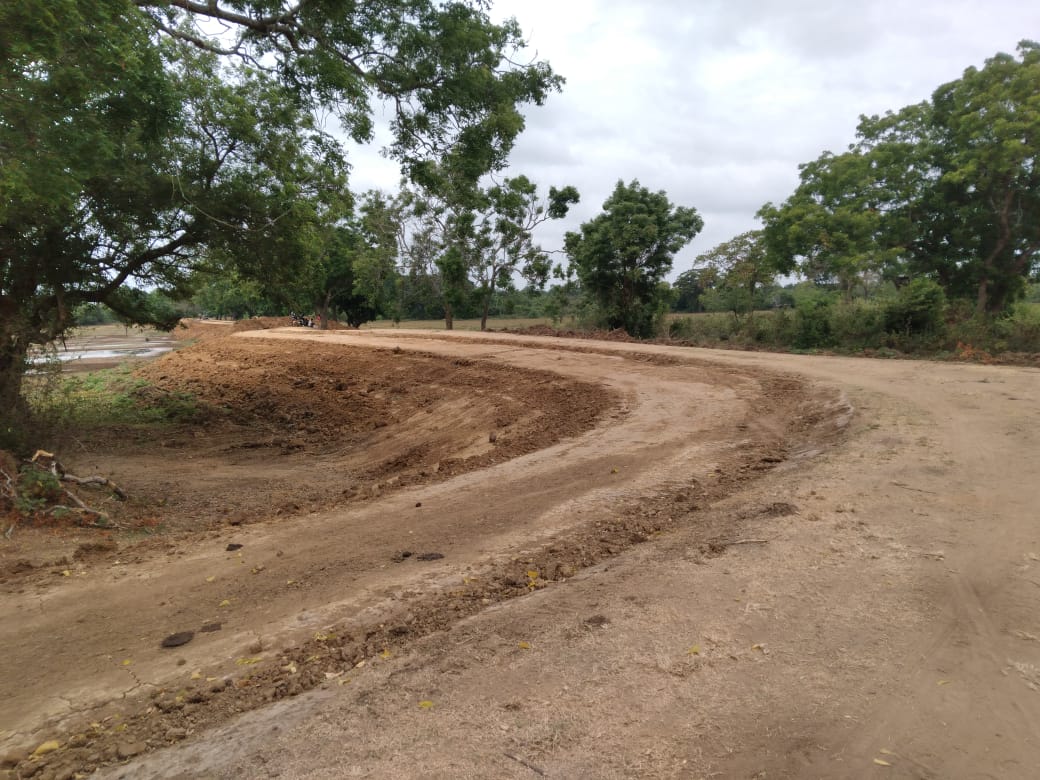
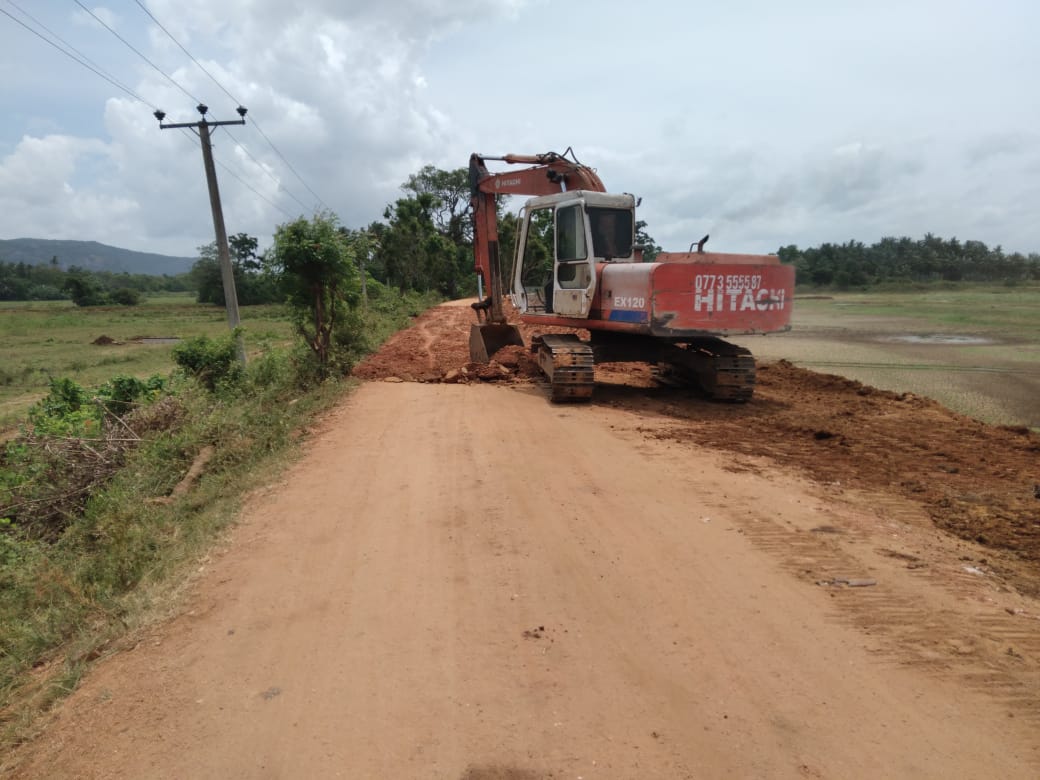
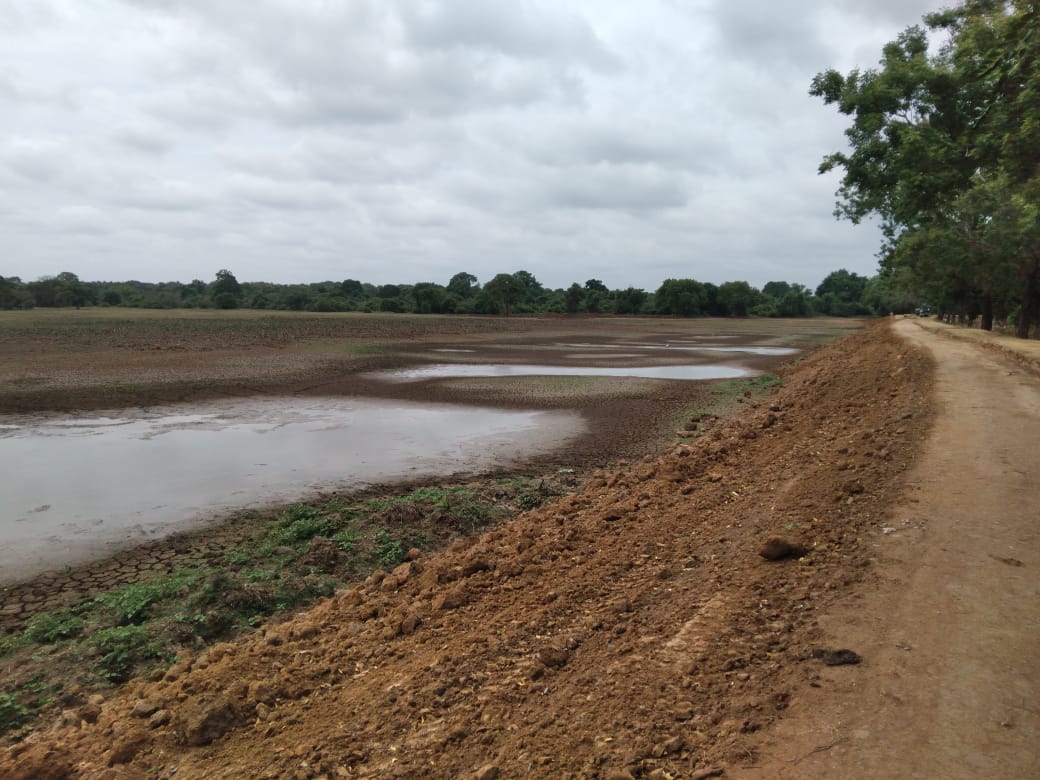
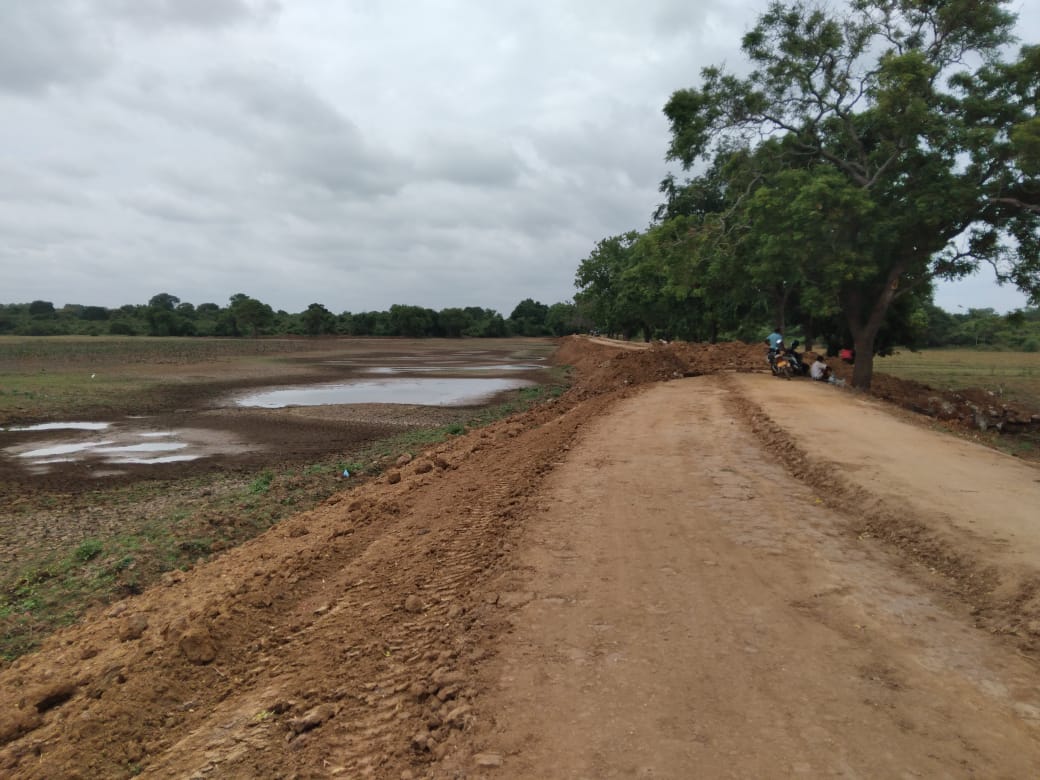
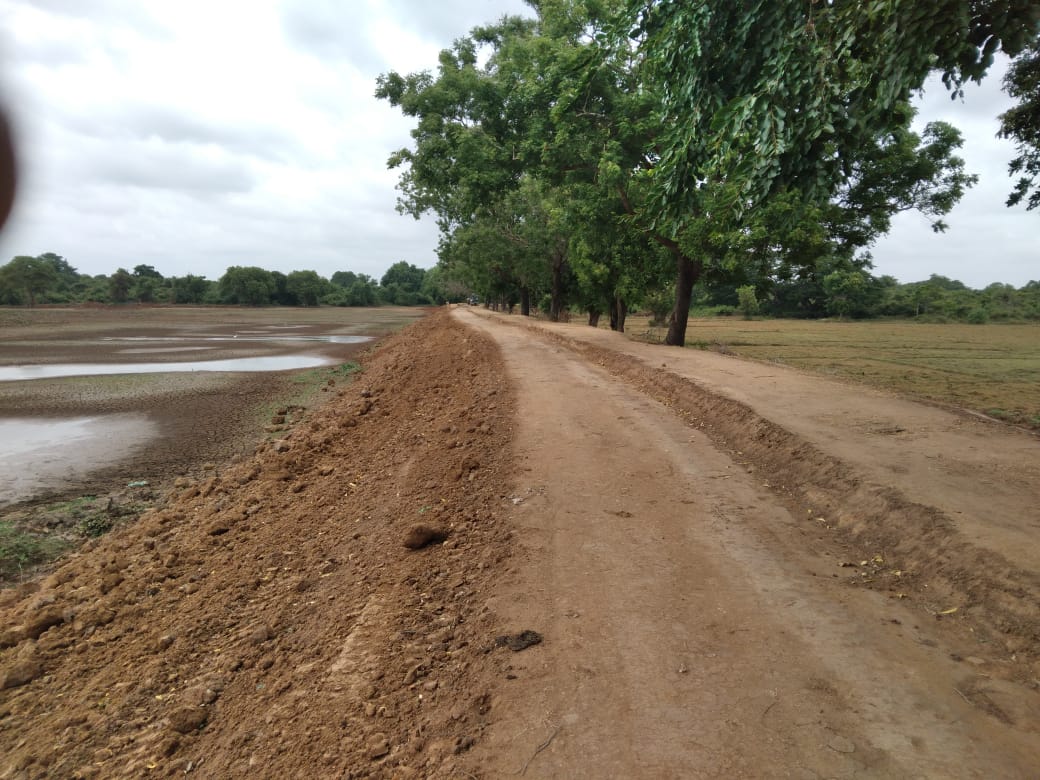
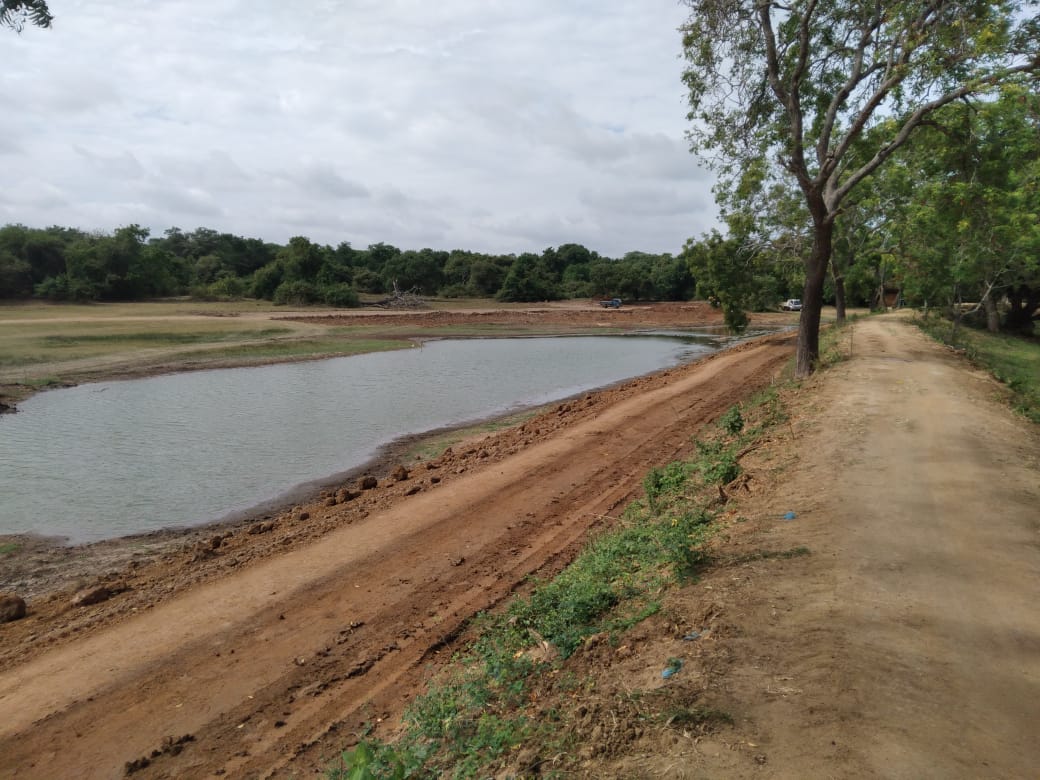
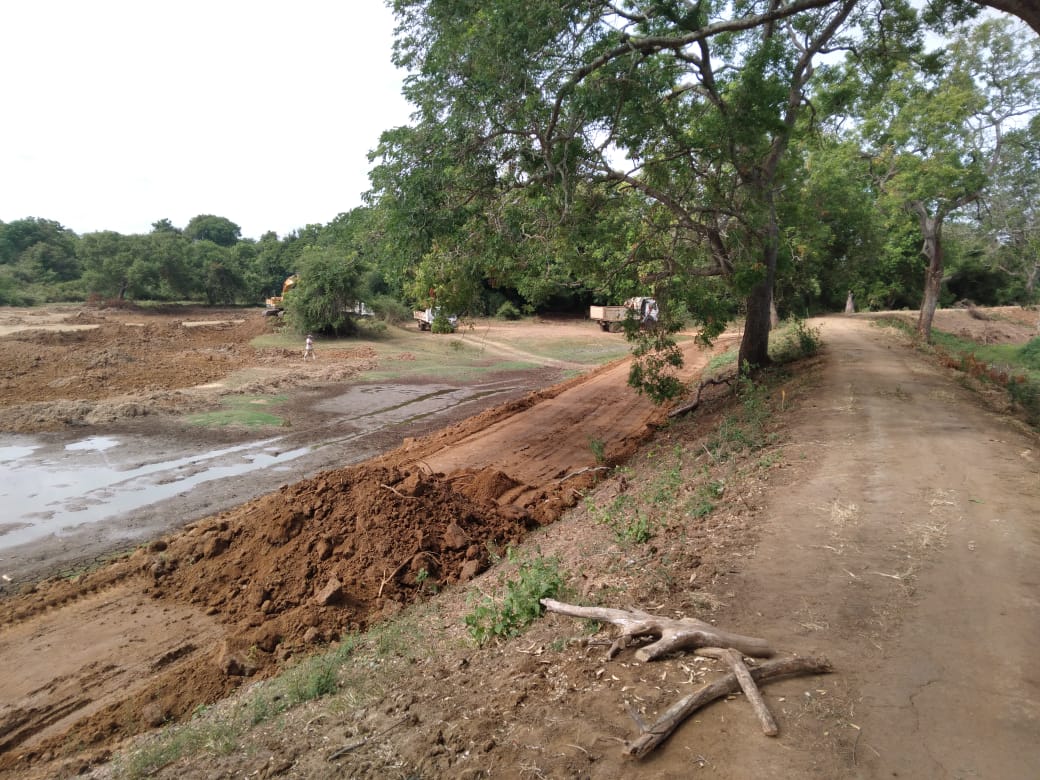
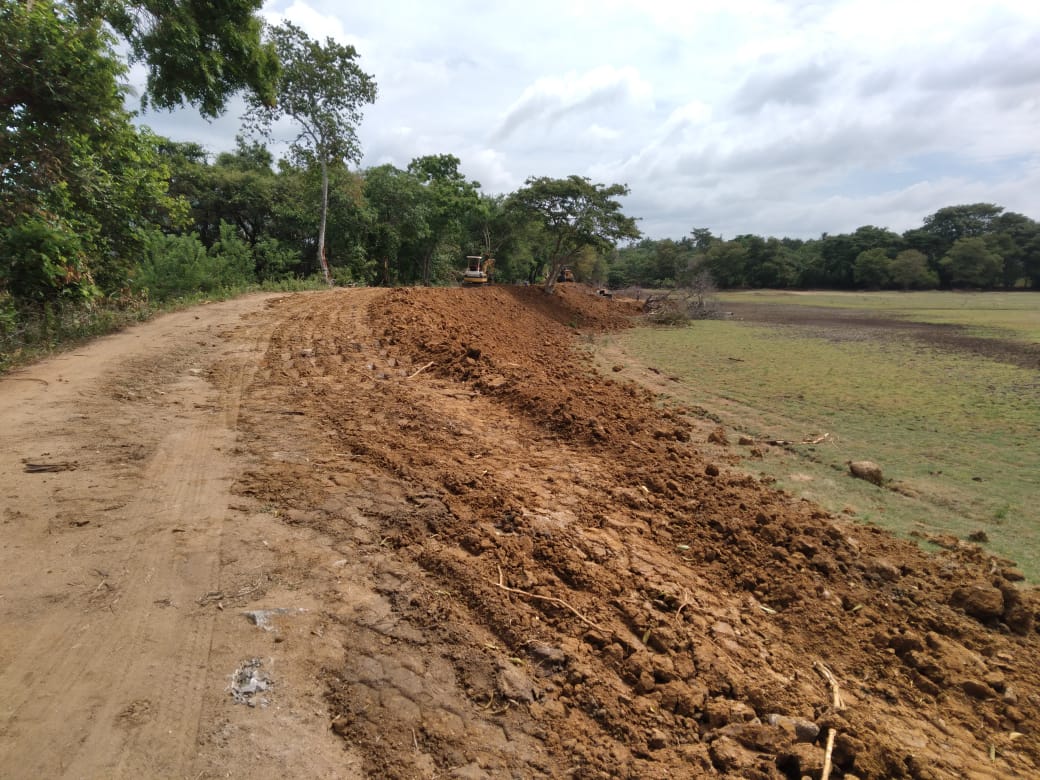
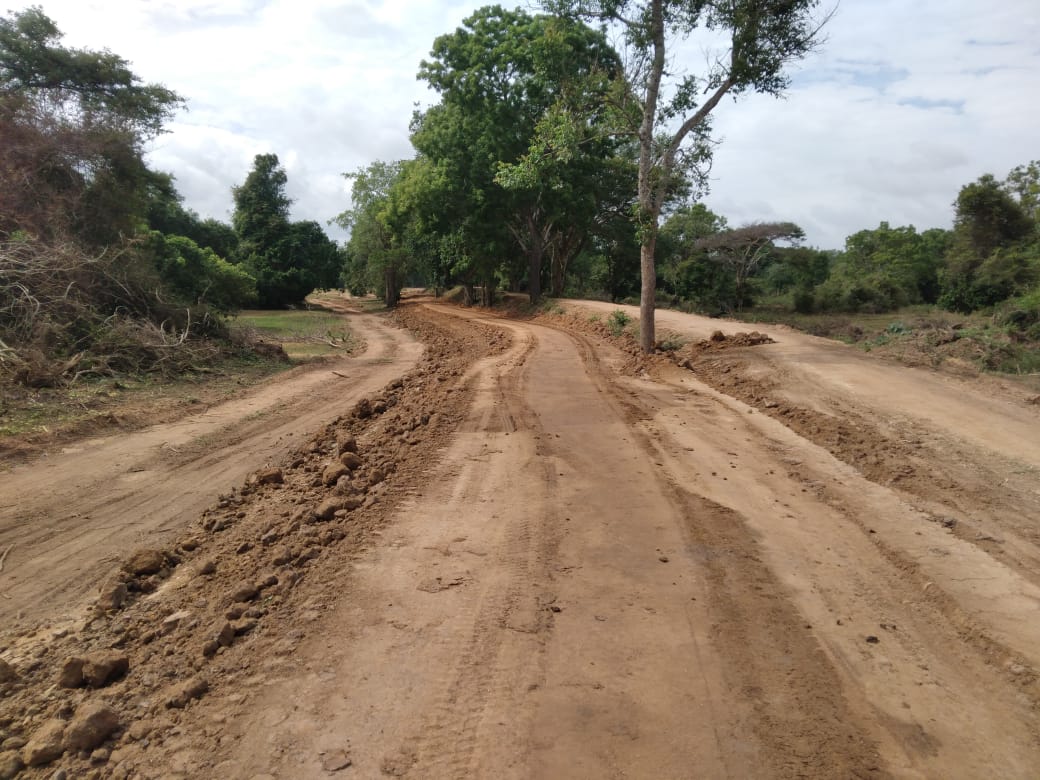
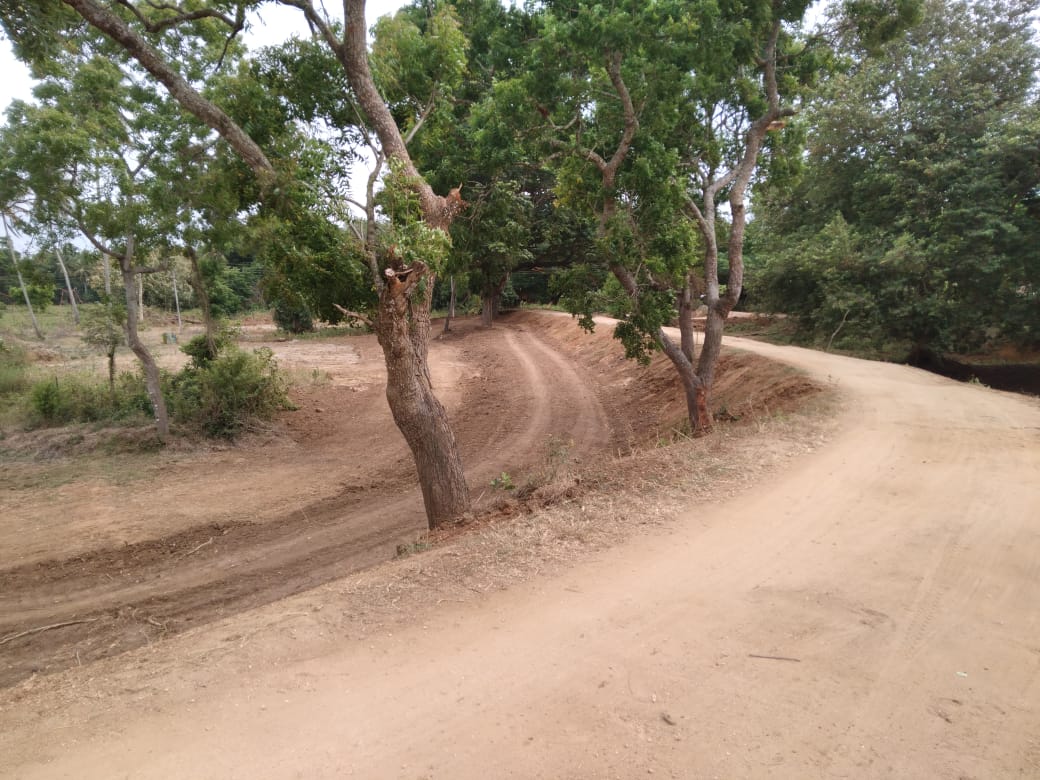
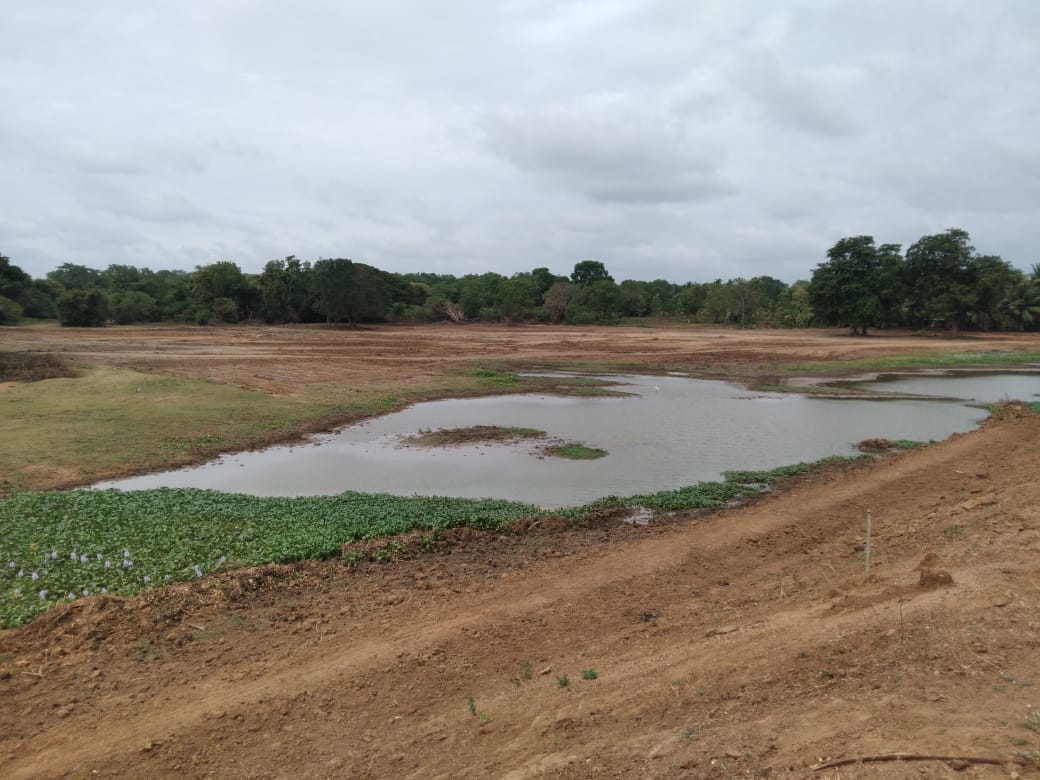
One of the flagship infrastructure interventions under the Smallholder Agribusiness and Resilience Project (SARP) is the rehabilitation of 260 small-scale village tanks, scheduled for completion by the end of 2027.
This initiative is designed to restore and strengthen traditional irrigation systems, ensuring reliable water availability for agriculture in Sri Lanka’s drought-prone dry zones.
Ensuring Water Security for Farmers
Village tanks are the lifeline of dry zone farming communities. Through this rehabilitation program, SARP aims to:
-
Improve water storage capacity
-
Enhance irrigation reliability for paddy and field crops
-
Reduce vulnerability to drought and climate variability
-
Strengthen agricultural productivity and food security
By revitalizing these traditional water systems, the project is directly supporting smallholder farmers who depend on seasonal rainfall and tank irrigation for their livelihoods.
Progress Across Project Districts
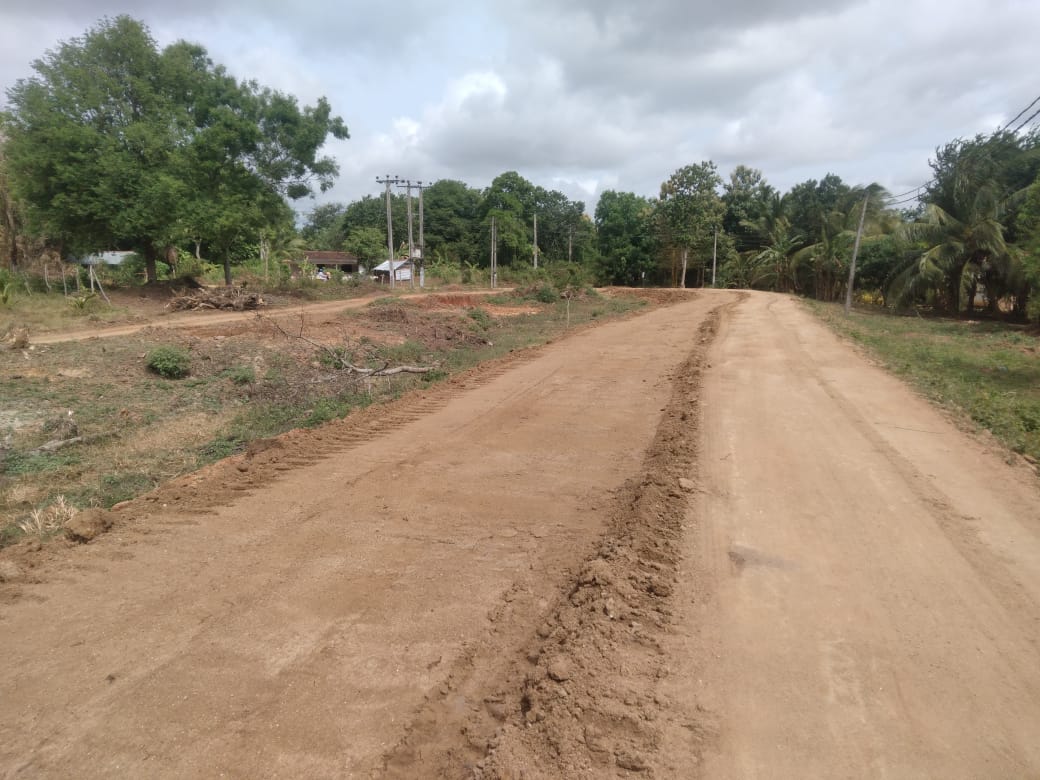
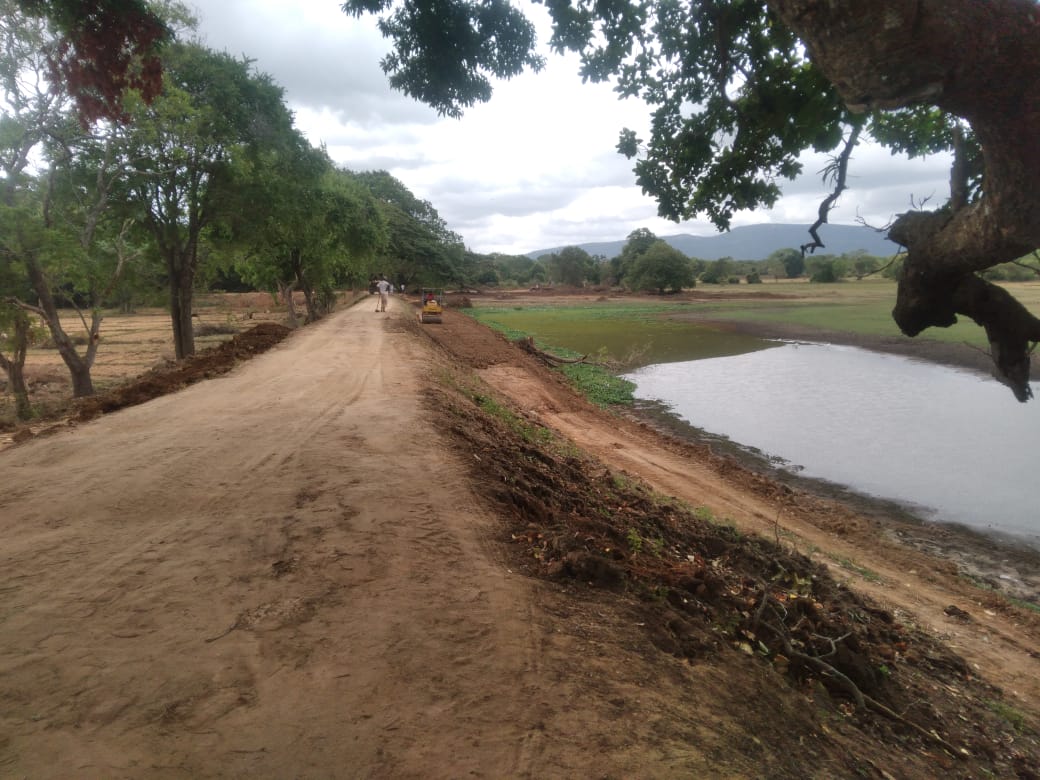
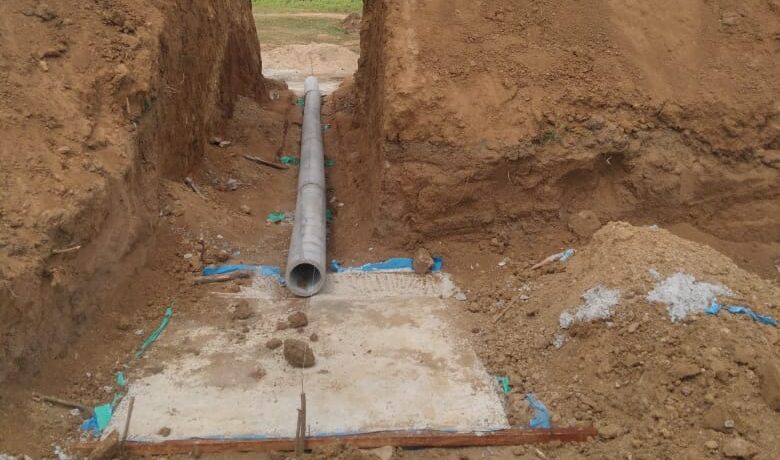
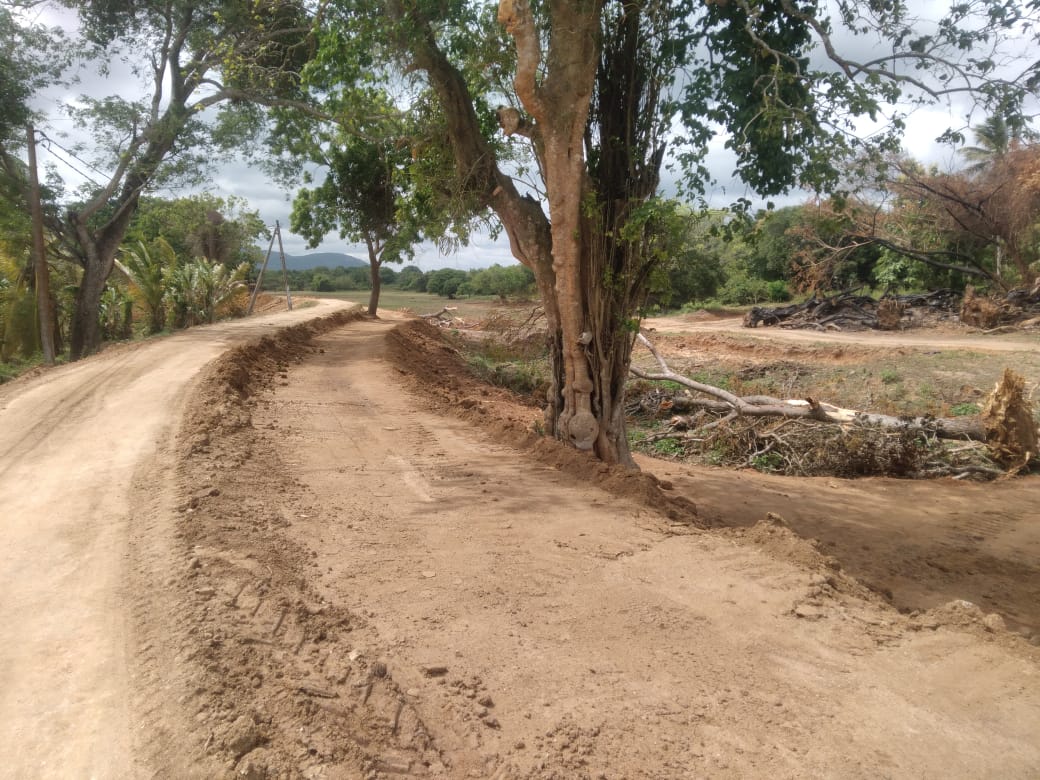
To date, rehabilitation work has been successfully completed on several tanks across the project’s operational districts, while construction activities continue on others.
This large-scale effort represents a significant investment of financial resources, technical expertise, and labor. Importantly, the active participation of local villagers in the respective tank command areas has played a crucial role in accelerating progress and ensuring long-term sustainability. Community engagement has strengthened ownership and improved maintenance practices for the rehabilitated infrastructure.
Ongoing Success in Kurunegala
At present, notable rehabilitation work is being carried out in the Kurunegala District, including tanks located in Watuwattegama and Galapitadigana. These sites reflect the project’s continued momentum in restoring irrigation assets that directly benefit farming households.
