


Climate-Smart Dairy Empowerment Project
Introduction
The dairy sector plays a vital role in Sri Lanka’s agricultural economy by contributing to rural livelihoods, nutrition security, and income generation. However, dairy farmers increasingly face challenges arising from climate change, fluctuating feed availability, low productivity, poor milk quality management, and weak market linkages.
To address these challenges, the Smallholder Agribusiness and Resilience Project (SARP), in collaboration with Richlife Dairies Ltd., has initiated the Climate-Smart Dairy Empowerment Project to improve the productivity, profitability, and climate resilience of smallholder dairy farming systems.
Project Coverage
📍 Districts: Anuradhapura, Matale, and Vavuniya
👨🌾 Total Beneficiaries: 255 Dairy Farmers
| District | No. of Farmers |
|---|---|
| Anuradhapura | 213 |
| Matale | 24 |
| Vavuniya | 18 |
| Total | 255 |
Project Rationale
Sri Lanka continues to depend heavily on imported milk products to meet domestic demand. Enhancing local milk production through sustainable and climate-resilient dairy farming practices is essential to improve national dairy self-sufficiency while increasing the incomes of rural farming households.
Climate change has emerged as one of the most significant threats to dairy farming. Erratic rainfall patterns, prolonged droughts, rising temperatures, and degradation of pasture resources directly affect livestock productivity and farmer incomes. Therefore, climate-smart interventions are required to build resilient dairy production systems capable of withstanding environmental stresses.
Project Objectives
1. Enhancing Productivity and Profitability
The project aims to significantly improve milk production through the introduction of climate-smart dairy farming practices, improved animal nutrition, and farmer mentoring programmes. Farmers will receive technical guidance on herd management, feeding strategies, and productivity enhancement measures with the goal of doubling milk production within three years.
2. Strengthening Climate Resilience
To mitigate the impacts of climate variability, the project promotes drought-resistant fodder cultivation, efficient water management practices, improved feeding systems, and heat-stress reduction technologies. These interventions will help farmers maintain stable milk production even under adverse climatic conditions.
3. Improving Milk Hygiene and Quality
The project will support dairy farmers through training programmes on hygienic milk production and handling practices. Milk testing facilities and upgraded milk collection infrastructure will be established to improve milk quality, ensure food safety standards, and increase market competitiveness.
4. Expanding Market Access and Value Chain Development
The project seeks to strengthen dairy value chains by supporting 40 Farmer Producer Organizations (FPOs) and upgrading infrastructure in 10 milk collection centres. Digital payment tracking systems will be introduced to improve transparency, efficiency, and farmer access to reliable markets.
5. Promoting Sustainable Waste Management
Environmentally sustainable dairy farming practices will be encouraged through the promotion of composting and organic waste recycling. Livestock waste will be converted into valuable agricultural inputs, reducing environmental pollution while creating additional income opportunities for farming households.
Climate Challenges Affecting Dairy Farming
Disrupted Feed Availability due to Unpredictable Rainfall
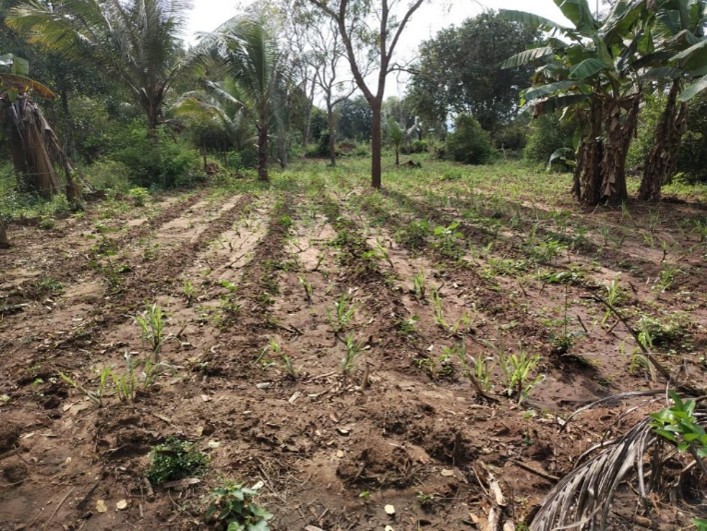
Changing rainfall patterns have resulted in irregular growth cycles of fodder crops, leading to seasonal feed shortages. Inconsistent availability of nutritious feed directly affects livestock productivity, animal health, and milk production levels.
Declining Pasture Quality and Availability
Climate variability significantly affects the growth and nutritional quality of natural pastures. Free-grazing livestock are particularly vulnerable during drought periods and excessive rainfall events, resulting in inadequate access to quality fodder. This contributes to reduced milk yields and increased production costs for farmers.
Water Scarcity and Heat Stress
Extended dry periods limit access to water resources necessary for livestock and fodder production. Simultaneously, rising temperatures increase heat stress among dairy animals, negatively affecting milk production, reproductive performance, and overall animal welfare.
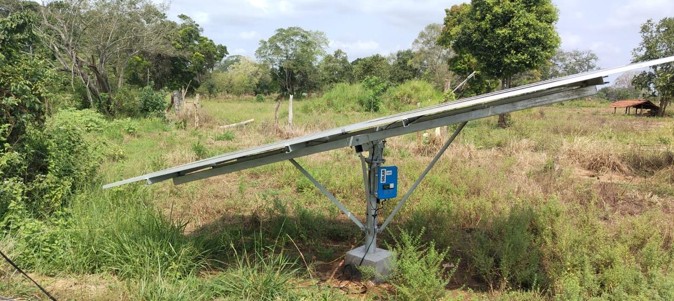
Solar-Powered Irrigation: A Climate-Smart Solution
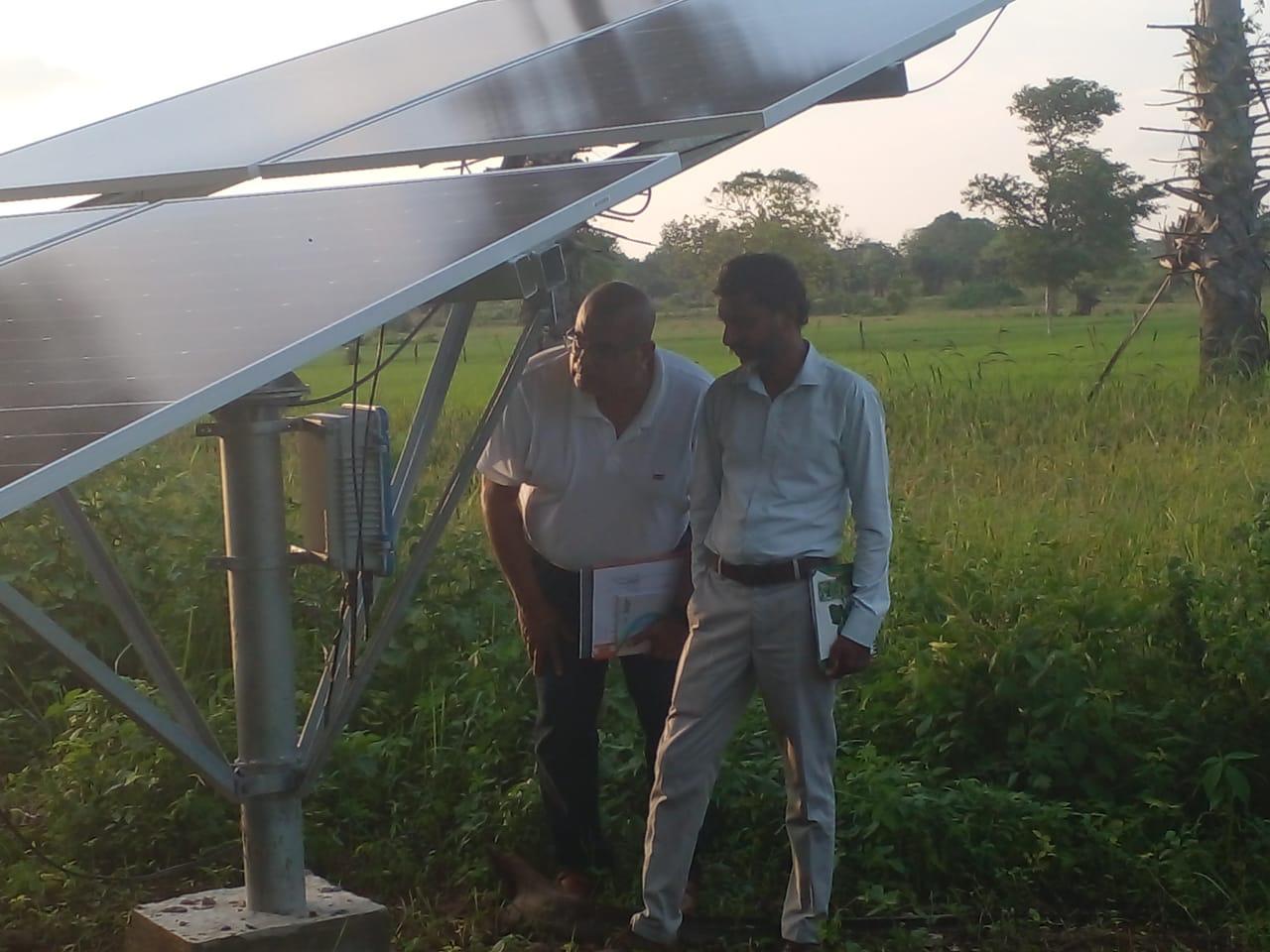
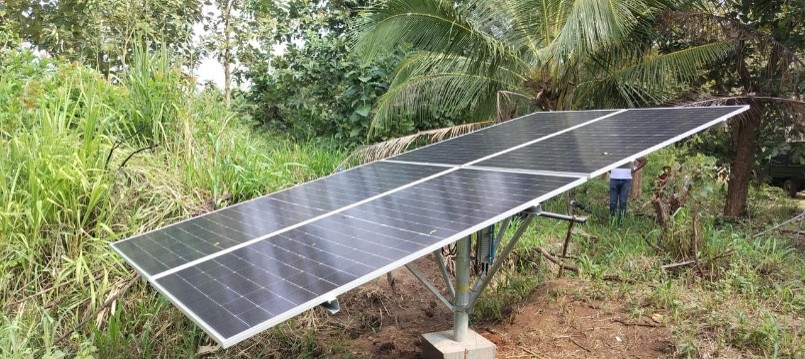
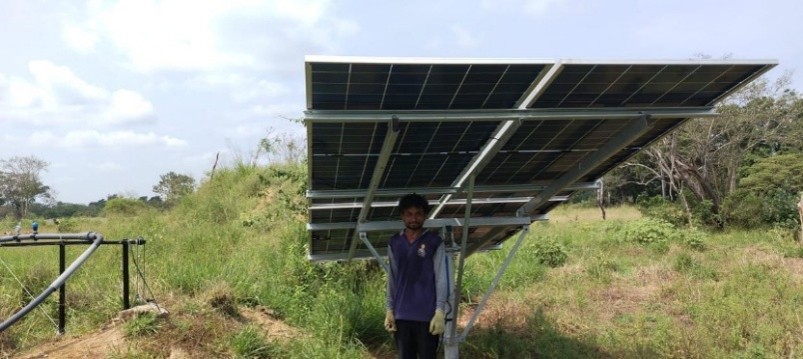
To address water scarcity and fodder production challenges, the project promotes the adoption of solar-powered irrigation systems. These systems provide a reliable, environmentally friendly, and cost-effective source of water for fodder cultivation and dairy farming operations.
Key Benefits
✅ Reliable water supply for year-round fodder production.
✅ Reduced dependence on fossil fuels and rising energy costs.
✅ Lower greenhouse gas emissions and environmental impacts.
✅ Enhanced resilience against droughts and climate variability.
✅ Increased farm productivity and profitability through improved feed availability.
By enabling continuous fodder cultivation, solar irrigation systems help ensure a stable supply of nutritious feed for livestock, ultimately improving milk production and farmer incomes.
Expected Outcomes
The Climate-Smart Dairy Empowerment Project is expected to transform dairy farming systems in the target districts by improving productivity, strengthening resilience to climate change, enhancing milk quality, and expanding market opportunities.
Through integrated interventions in production, climate adaptation, value chain development, and sustainable resource management, the project will contribute to increased household incomes, improved food security, and Sri Lanka’s long-term goal of achieving greater dairy self-sufficiency.
Conclusion
The Climate-Smart Dairy Empowerment Project represents a comprehensive and sustainable approach to strengthening Sri Lanka’s dairy sector. By empowering smallholder dairy farmers with climate-smart technologies, improved market access, and resilient production systems, the initiative will create lasting economic and environmental benefits while contributing to national agricultural development goals.
