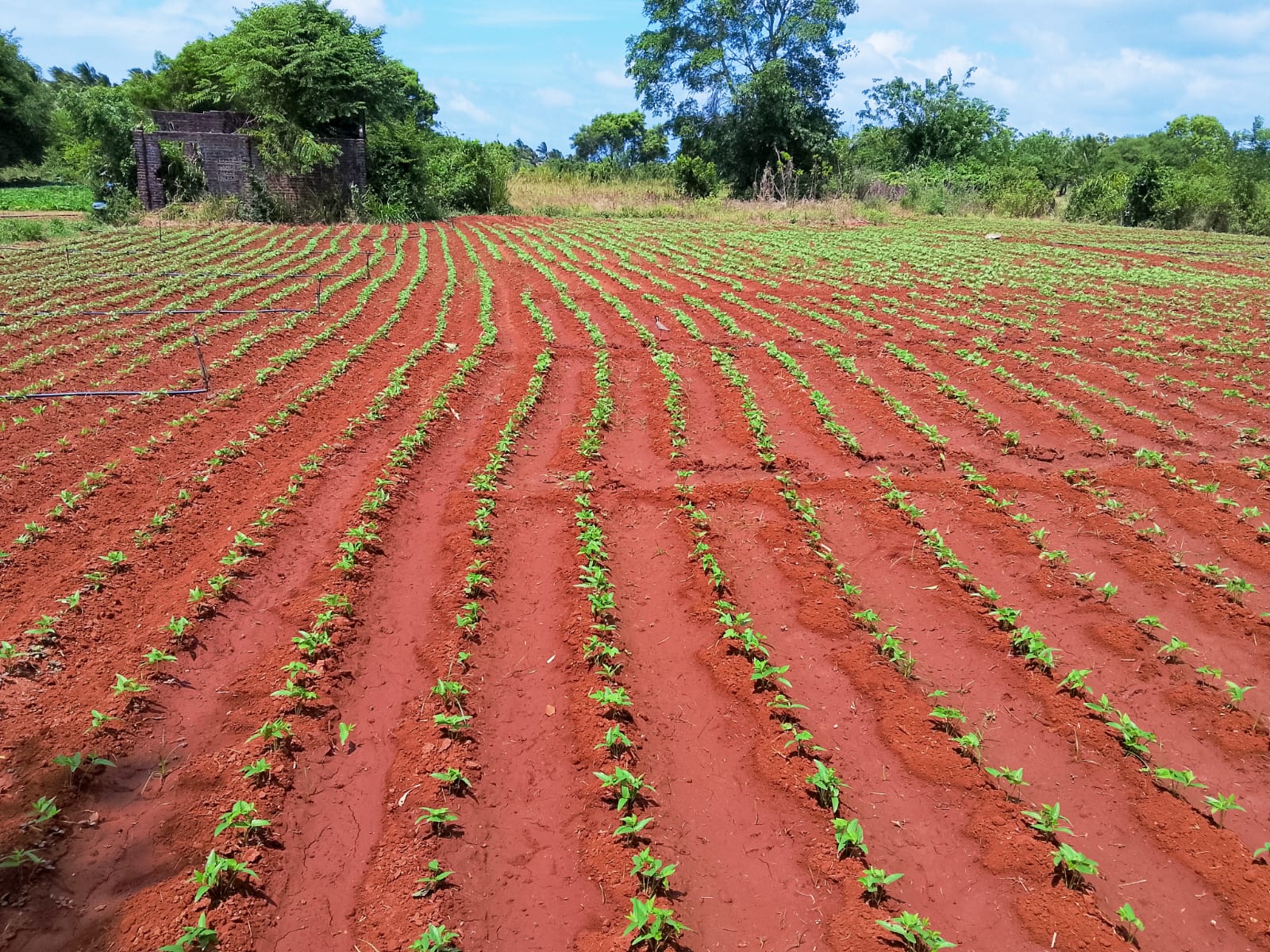
The selection of farmers for the second phase of a programme providing material assistance valued at up to LKR 150,000, together with technical knowledge and agricultural support, is now underway.
The programme, titled “Strategic Development of Market-Oriented Grain Legumes and Oil Crops to Enhance Productivity and Minimize Import Dependence in Sri Lanka,” is being implemented with the objective of supporting farming families to generate income across multiple cultivation seasons, while strengthening domestic production of grain legumes and oil crops and reducing the country’s dependence on imports.
The programme is being implemented under the Smallholder Agribusiness and Resilience Project (SARP), jointly implemented by the International Fund for Agricultural Development (IFAD) and the Ministry of Agriculture, Lands, Livestock and Irrigation. Over a one-year period covering three cultivation seasons, the programme aims to support and empower 8,000 farmers.
Strengthening Domestic Production
Sri Lanka currently produces only around 12% of its grain legume requirements domestically, while approximately 88%, including lentils, is imported. In the case of oil crops, around 83% is produced locally, while approximately 17% is imported.
The programme therefore seeks to encourage farmers to increase the cultivation of locally suitable crops such as green gram, black gram and cowpea. Alongside increasing domestic production, the initiative focuses on improving farmers’ capacity to manage water resources and climate-related risks, addressing irrigation equipment requirements, and connecting farmers with agricultural markets.
Improving Productivity Through Technical Support
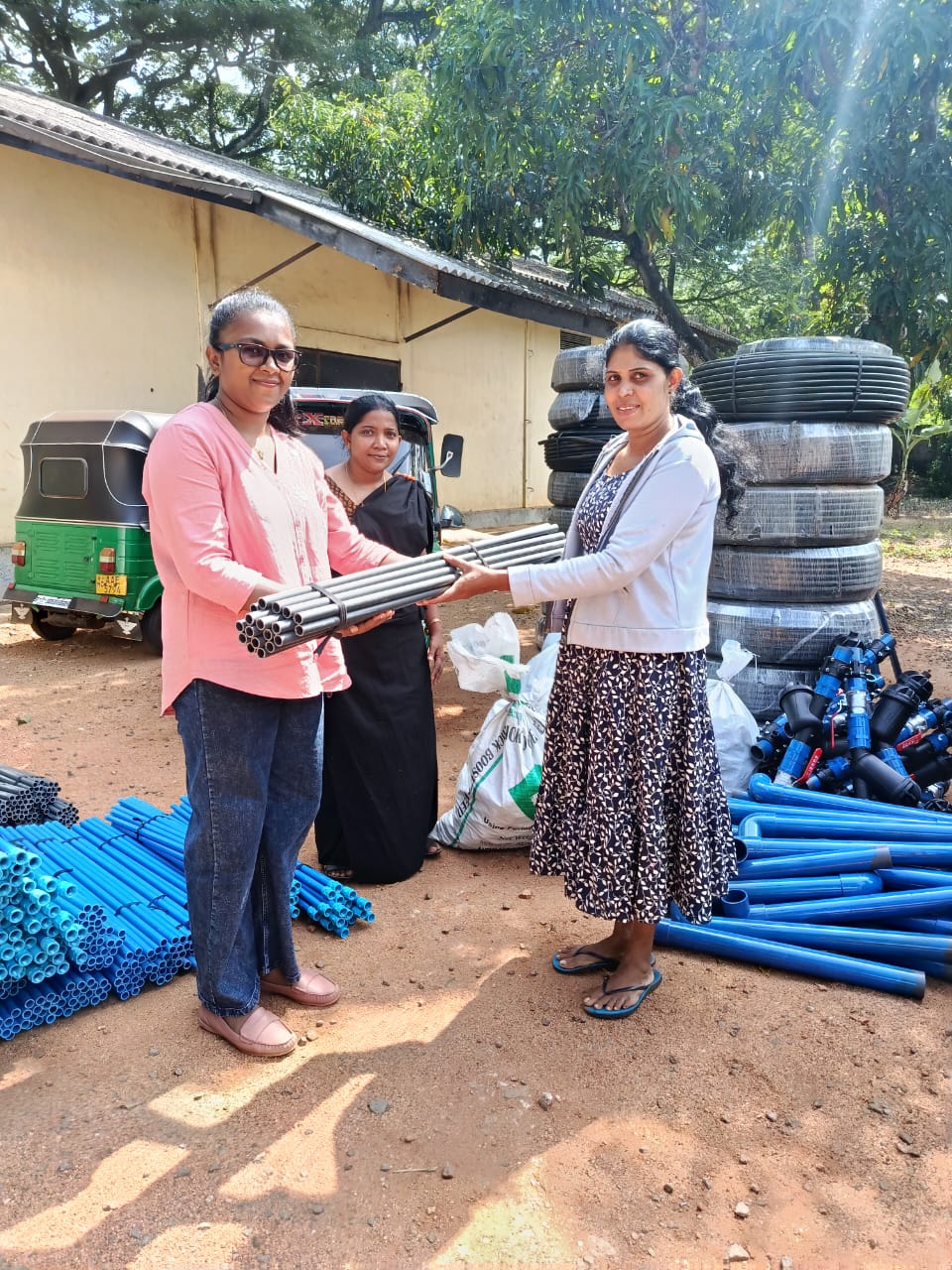
Improving farm productivity and yields is a key pathway to increasing farmers’ incomes. Under the programme, beneficiaries receive technical guidance and material assistance valued at LKR 150,000, including fertiliser and technical equipment.
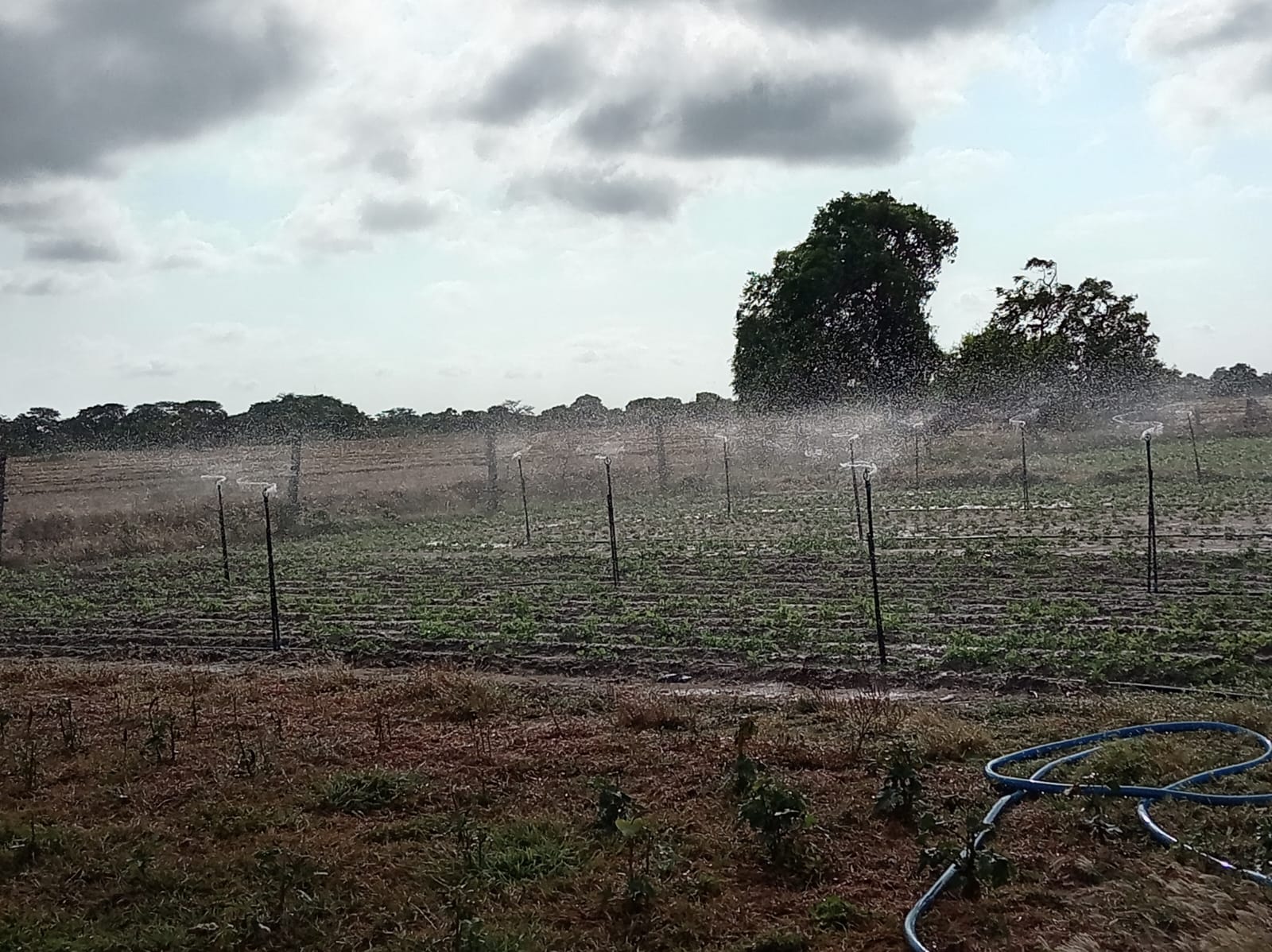
Project support is provided for cultivation on half an acre of land, including seeds approved by the Department of Agriculture and suited to the respective agro-ecological conditions. Farmers are also provided with sprinkler irrigation equipment and technical guidance on its appropriate use.
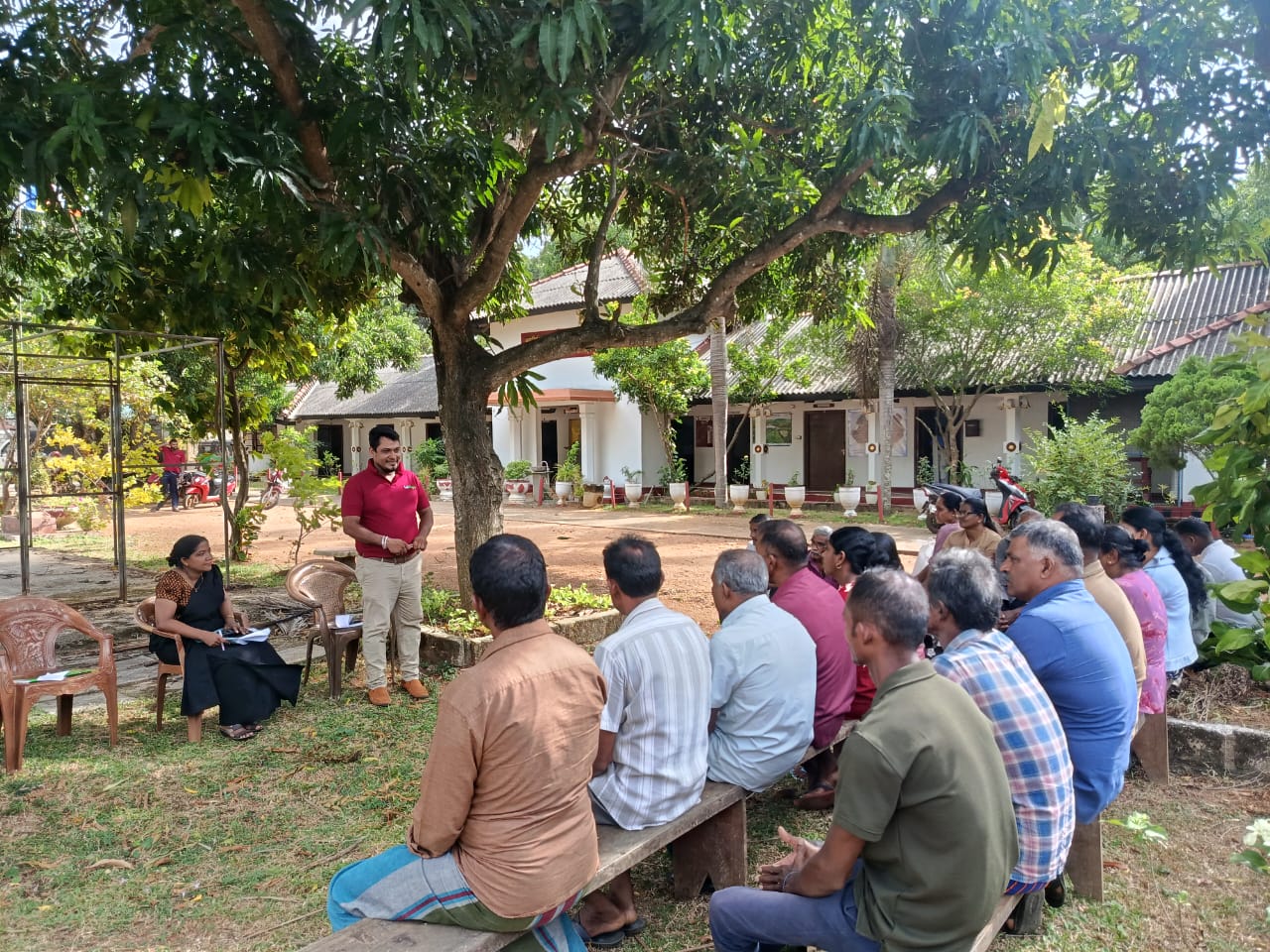
The programme promotes efficient water management through appropriate land preparation and micro-irrigation methods. Farmers are also provided with guidance on the correct use of organic and chemical fertilisers to maintain soil health and prevent soil degradation.
In addition, farmers are introduced to Good Agricultural Practices (GAP) and supported to identify and access more profitable market opportunities for their produce.
Reducing Crop Losses and Improving Water Management
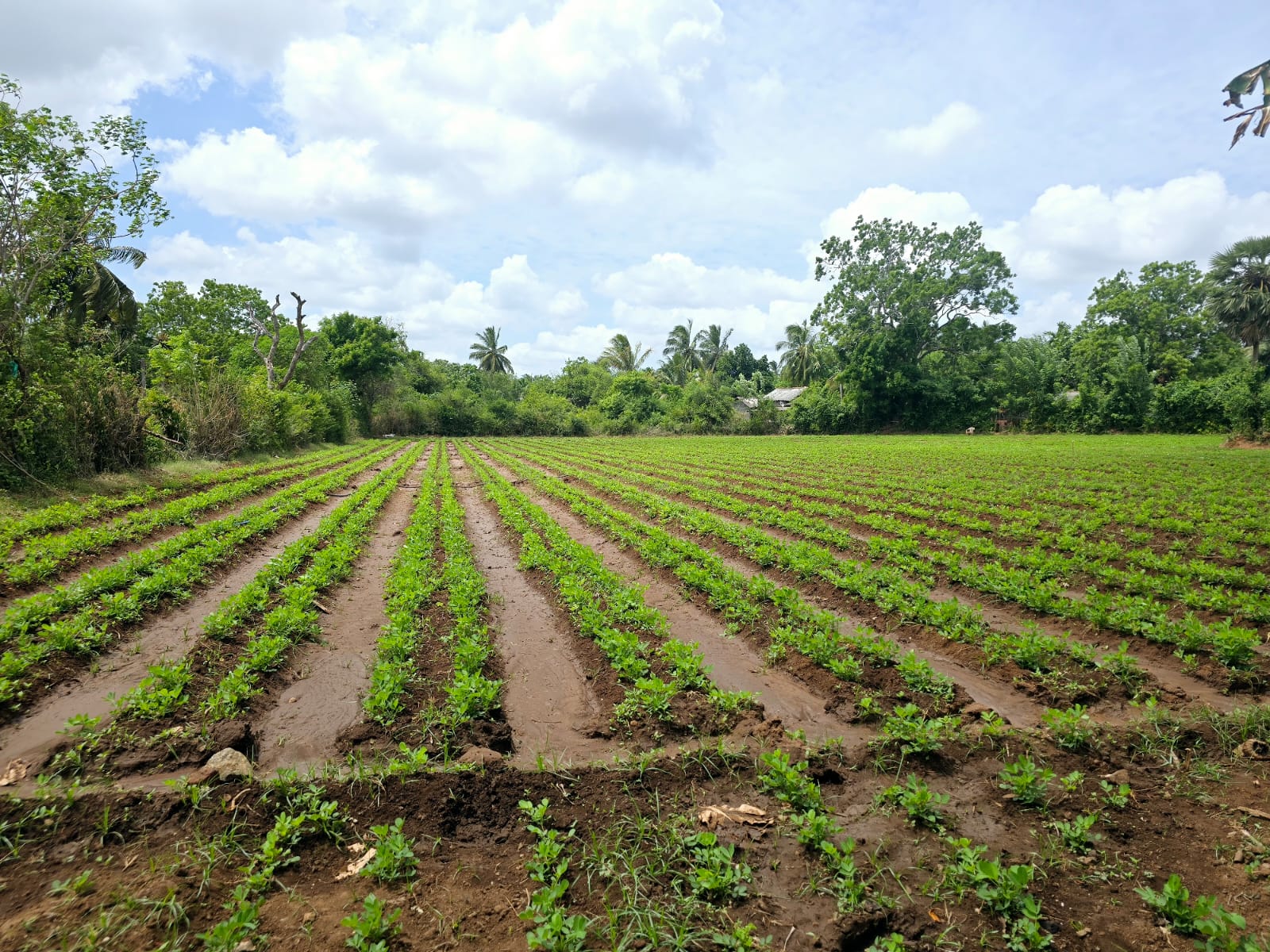
Technical guidance is also provided on cultivation using furrow and ridge planting methods. These practices are expected to reduce the accumulation of water around crops during periods of heavy rainfall and flooding, thereby minimising damage to crop root systems.
Through these interventions, the programme aims not only to increase productivity but also to strengthen farmers’ capacity to adopt more efficient and resilient agricultural practices.
Second Phase to Reach 3,500 Farmers
The overall programme is expected to reach 8,000 farmers. During the first phase, 2,300 farmers received support for the Yala cultivation season.
Under the second phase, the project expects to select 3,500 farmers for the Maha cultivation season. The selection is currently being carried out based on established eligibility criteria.
Farmers from selected Grama Niladhari divisions in Anuradhapura, Vavuniya, Mannar, Kurunegala and Puttalam districts, located within the Mee Oya, Deduru Oya and Malwathu Oya river basins, are being considered for participation in the programme.
Through targeted technical assistance, productive inputs, irrigation support and improved market access, the programme seeks to contribute to stronger smallholder agricultural enterprises while supporting Sri Lanka’s efforts to increase domestic production of grain legumes and oil crops and reduce import dependence.